Colloidal Silver for Female Reproductive and Gynecological Conditions

Before the advent of antibiotics, infections of the female reproductive system were among the most serious and often life-threatening conditions faced by women. Complications from childbirth, untreated infections, and limited sanitation practices made gynecological care both urgent and complex.
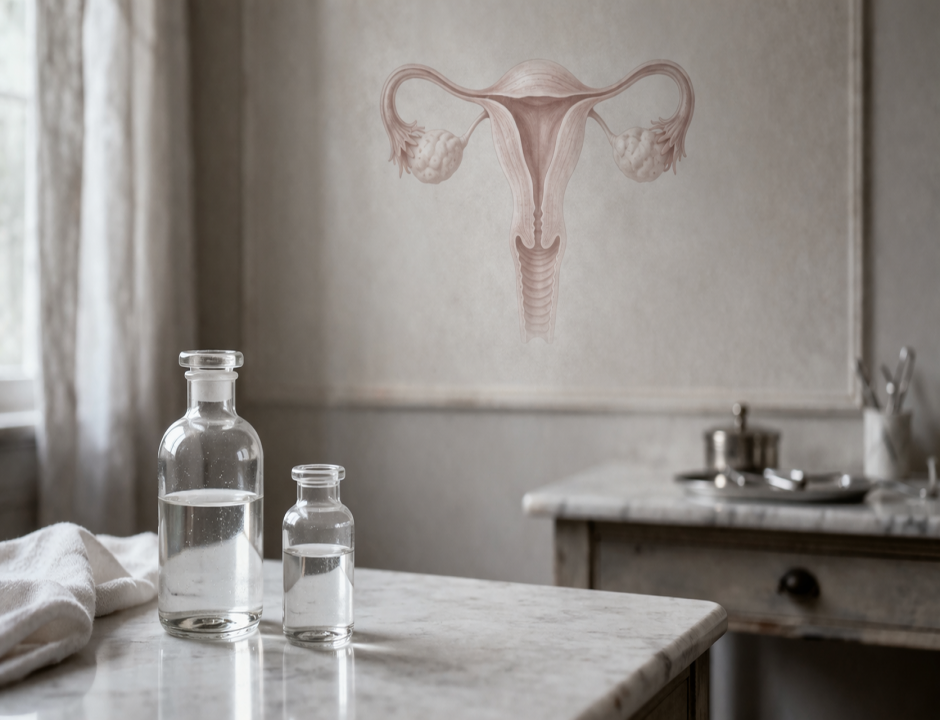
In this context, silver-based preparations—including early colloidal forms—were widely referenced in medical literature of the late 1800s and early 1900s. Physicians, midwives, and early gynecologists used silver compounds as antimicrobial agents in an effort to manage infections affecting the vaginal canal, cervix, and uterus.

Today, natural alternative specialists—including naturopaths, folk medicine practitioners, homeopaths, and private holistic clinicians—sometimes revisit these historical practices when discussing off-label colloidal silver use for female reproductive and gynecological support.

This article explores the historical role of silver in women’s health, alongside modern alternative discussions, using official medical terminology for clarity and consistency.

Historical Context: Silver in Early Gynecology

In the pre-antibiotic era, gynecological infections were difficult to treat and often progressed rapidly. Physicians relied on substances that could reduce microbial presence without causing excessive harm to delicate tissues.

Silver compounds gained widespread use because they were considered:

    • Broad-spectrum antimicrobial agents
    • Relatively tissue-compatible compared to harsher chemicals
    • Effective in both topical and internal applications

Medical practices of the time included:

    • Vaginal irrigations
    • Topical antiseptic applications
    • Postpartum infection management
    • Surgical antisepsis

Silver nitrate, in particular, was frequently mentioned in obstetric and gynecological texts of the early 20th century.
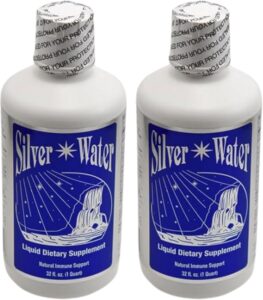
Colloidal Silver Water 2 Quarts Pack

Female Reproductive Conditions Historically Associated with Silver Use

Vaginitis

Vaginitis refers to inflammation of the vaginal canal, often associated with microbial imbalance. Historical records describe the use of antiseptic solutions, including silver-based preparations, for cleansing and reducing infection.

Modern alternative practitioners sometimes discuss colloidal silver in the context of restoring microbial balance in vaginal environments.

Bacterial Vaginosis

Although not always named as such in early literature, conditions now classified as bacterial vaginosis were historically grouped under vaginitis or nonspecific infections.

Silver preparations were used in attempts to control bacterial overgrowth and associated symptoms.

Vulvovaginal Candidiasis

Vulvovaginal candidiasis, commonly known as yeast infection, involves fungal overgrowth in the vaginal region. Early practitioners often used broad-spectrum antiseptics, including silver compounds, when fungal and bacterial distinctions were less clearly defined.

Today, alternative practitioners may reference colloidal silver in discussions of microbial balance in such conditions.

Cervicitis

Cervicitis, inflammation of the cervix, was frequently treated using topical antiseptic applications in early gynecological practice. Silver-based compounds were among the agents used in clinical settings to manage infection and inflammation.

Pelvic Inflammatory Disease (PID) (Historical Context)

Conditions now classified under Pelvic Inflammatory Disease were historically described in broader terms involving uterine or pelvic infections.

Silver was occasionally referenced in early treatment approaches, particularly in attempts to control ascending infections.

Postpartum Infections

Before modern sterilization and antibiotics, postpartum infections were a leading cause of mortality.

Silver compounds were widely used as antiseptics during and after childbirth to reduce infection risk and support recovery.

Modern Alternative Practice Perspective

In contemporary alternative medicine discussions, colloidal silver is typically framed as:

    • A historically referenced antimicrobial agent
    • A supportive tool for microbial balance
    • A non-pharmaceutical option inspired by traditional practices

Practitioners may discuss colloidal silver in relation to:

    • Short-term supportive use
    • Hygiene and topical applications
    • Balancing microbial environments

As with other areas, there is significant variation in how practitioners approach usage, with differing opinions on application methods and duration.

Colloidal Silver Water Book

Important Context and Responsibility Statement

This article does not diagnose, treat, cure, or prevent disease. It presents historical references and modern alternative discussions regarding colloidal silver and female reproductive health.

Individuals experiencing gynecological symptoms should seek evaluation from a qualified healthcare professional.

Why Female Reproductive Health Was Central to Early Silver Use

Infections related to childbirth, reproductive health, and gynecological conditions were historically among the most dangerous medical challenges for women.

Silver’s reputation as a broad-spectrum antimicrobial made it a widely used substance in early obstetrics and gynecology. This historical role continues to influence modern alternative discussions surrounding its potential applications.
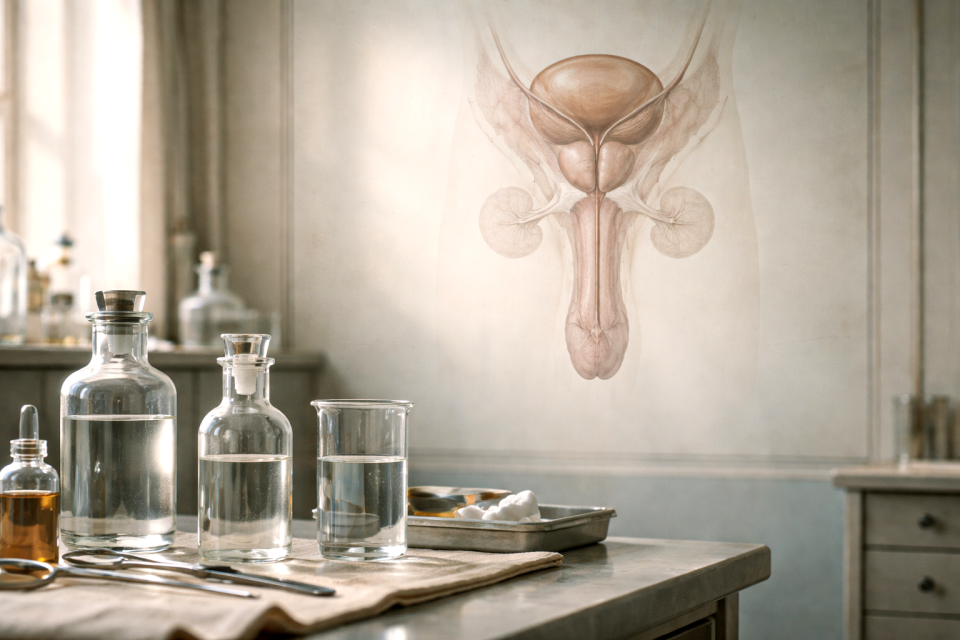
 

Colloidal Silver for Male Reproductive and Urogenital Conditions

Before the age of antibiotics, infections affecting the male reproductive and urogenital systems posed serious medical challenges. Physicians had few antimicrobial tools available, and many conditions, particularly those involving the prostate, urethra, or epididymis, were persistent, painful, and sometimes life-threatening.


During the late 19th and early 20th centuries, silver preparations were commonly referenced in medical literature addressing these conditions. Silver nitrate, colloidal silver solutions, and other silver compounds were used in urology clinics and hospital wards as antimicrobial agents intended to suppress bacterial growth in sensitive tissues.

Today, natural alternative specialists—including naturopaths, folk medicine practitioners, homeopaths, and private holistic clinicians—sometimes reference these historical practices when discussing off-label use of colloidal silver for male urogenital health support.

Historical Medical Use and Modern Off-Label Discussion Among Natural Alternative Specialists

This article explores historically referenced male reproductive conditions associated with silver use and discusses how these ideas appear in modern alternative medicine conversations.

Historical Context: Silver in Early Urology

Urology as a medical specialty began developing rapidly in the late 1800s. Physicians were studying the causes of infections in the bladder, prostate, and urethra, but antimicrobial treatments were limited.

Silver compounds gained attention for several reasons:

  • Their broad antimicrobial activity
  • Their ability to act at very low concentrations
  • Their relatively low toxicity compared with other antiseptics of the era

Medical manuals from the early 1900s often described silver preparations being applied through:

  • Urethral irrigations
  • Topical antiseptic treatments
  • Internal administration in certain protocols
  • Surgical antisepsis during urological procedures

These practices formed part of the broader pre-antibiotic antimicrobial toolkit used by physicians of that era.

Male Urogenital Conditions Historically Associated with Silver Use

Prostatitis

Prostatitis, an inflammation or infection of the prostate gland, has long been recognized as a complex and persistent condition. Early urological texts frequently referenced antiseptic treatments—including silver compounds—when addressing chronic prostate infections.

Alternative practitioners today sometimes discuss colloidal silver in relation to microbial balance within the prostate and urinary tract.

Benign Prostatic Hyperplasia (BPH)

Benign Prostatic Hyperplasia involves enlargement of the prostate gland, which can interfere with urinary flow. While BPH itself is not primarily infectious, early physicians occasionally explored antimicrobial agents when inflammation or secondary infection accompanied prostate enlargement.

Modern alternative discussions sometimes frame colloidal silver as a supportive agent in situations where microbial factors are suspected.

Epididymitis

Epididymitis refers to inflammation of the epididymis, the coiled tube located behind the testicle that stores and transports sperm. Historically, bacterial infections were a common cause, and antiseptic agents—including silver preparations—were discussed in early treatment approaches.

Orchitis

Orchitis, inflammation of the testicles, can occur due to infection or systemic illness. In the pre-antibiotic era, physicians frequently turned to antiseptic compounds, including silver, in attempts to control microbial spread.

Urethral Infections

Inflammation and infection of the urethra were among the most commonly treated urological conditions in early medical practice.

Silver nitrate solutions were widely documented in medical literature as urethral antiseptics used to manage microbial contamination within the urinary tract.

Sexually Transmitted Infections (Historical Context)

Before antibiotics, sexually transmitted infections were extremely difficult to treat. Silver compounds were often used as antiseptic agents intended to reduce microbial load in affected tissues.

These references appear frequently in early medical texts, though modern medical practice has evolved significantly since that time.

Modern Alternative Practice Perspective

Within contemporary alternative medicine communities, colloidal silver is typically discussed as:

  • A historically referenced antimicrobial substance
  • A microbial balance support agent
  • A non-pharmaceutical option inspired by early medical practice

Practitioners emphasize cautious use and commonly discuss colloidal silver in relation to:

  • Short-term supportive protocols
  • Hygiene and topical applications
  • Internal microbial balance considerations

As with other system-based uses, opinions vary widely among practitioners regarding application methods, concentrations, and duration.

Important Context and Responsibility Statement

This article does not diagnose, treat, cure, or prevent disease. It provides historical context and summarizes contemporary alternative discussions regarding colloidal silver and male reproductive conditions.

Anyone experiencing persistent urogenital symptoms should seek evaluation from a qualified healthcare professional.

Why Male Urogenital Conditions Appeared Frequently in Early Silver Literature

Infections of the prostate, urethra, and epididymis were historically difficult to treat and often led to chronic complications. Because silver demonstrated antimicrobial activity in laboratory settings, physicians experimented widely with silver-based antiseptics as part of their treatment strategies.

Although modern medicine now relies primarily on antibiotics, the historical role of silver continues to influence discussions among alternative practitioners interested in traditional antimicrobial approaches.